Contractors live and die by proximity. If your trucks roll out of a shop in Kansas City and your crew spends an hour crossing town to a job you could have had ten minutes away, margins shrink. Local SEO is how you stop chasing and start choosing. You make sure the homeowners, property managers, and GCs already looking for your services in your service area find you first. It is practical, measurable, and worth the work.
I have built and tuned local SEO strategy for contractors across the Kansas City metro and nearby towns like Lee’s Summit, Liberty, Olathe, and Shawnee. Patterns repeat, but every trade and neighborhood throws its own curveballs. What follows is the playbook I use on job sites that range from one-truck operations to multi-crew companies, with specific detail on what moves the needle here.
The Kansas City reality: searcher intent and service radius
Local search in Kansas City splits between two behaviors. Some searches come direct and urgent, like “emergency plumber near me,” usually from a phone. Others are research-heavy, such as “best deck builder in Overland Park” or “basement finishing Kansas City cost.” The first set cares about availability, reviews, and distance. The second set cares about credibility, galleries, and proof of results. Your local seo strategy has to serve both.
Contractors do not fit the classic storefront model Google prefers. You travel to clients, jobs happen at the customer’s property, and your office might be a warehouse. That means two things. First, you need to configure your Google Business Profile as a service area business and verify it properly. Second, your site structure should map to service areas and services with intent in mind. If you do those two pieces well, the rest of the work starts compounding.
Google Business Profile: the foundation you cannot skip
Treat your Google Business Profile like a work truck. Keep it fueled, clean, and ready. Too many contractors claim it once and never touch it again, then wonder why the map pack never shows them.
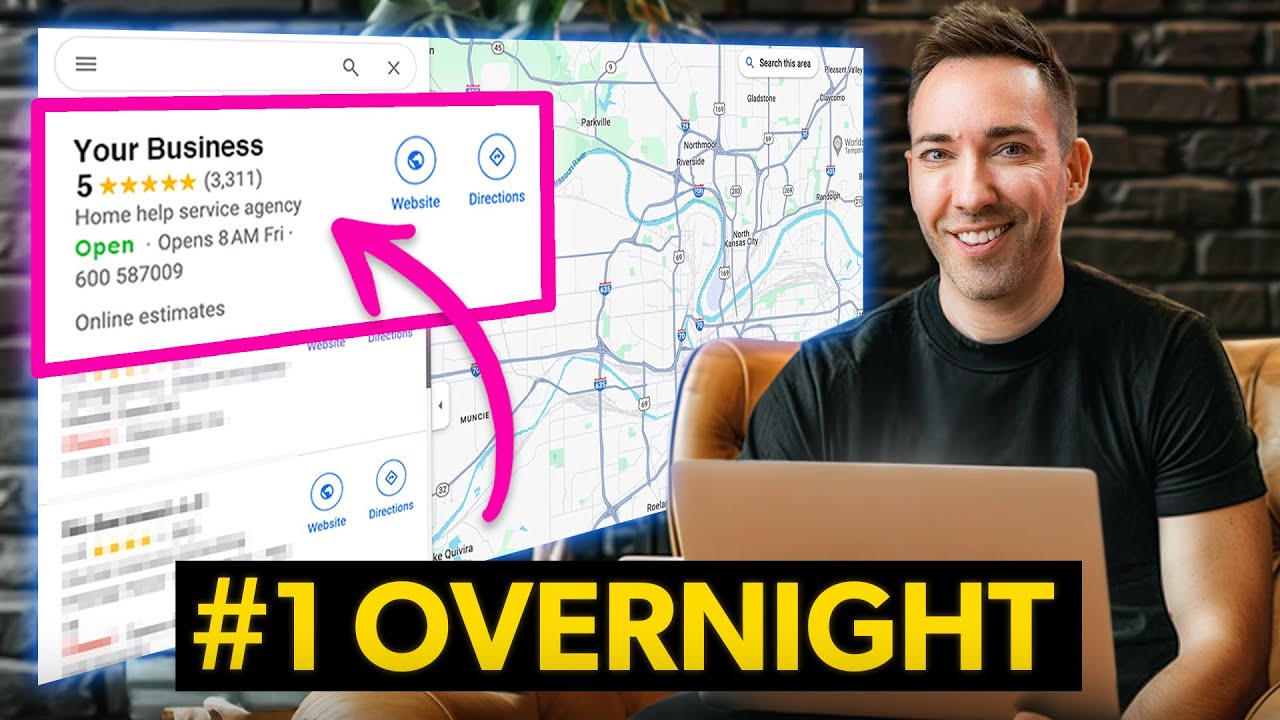
Start with exact business details. The business name must match your legal or DBA name, without stuffing keywords. Address handling matters. If you have a staffed office that clients can visit during stated hours, show it and set a modest service radius. If you operate from home or a warehouse without a reception area, hide your address and use service areas that reflect where you actually work. For Kansas City, that usually means a mix of city and county entities, not a 100-mile circle.
Choose categories with intention. Your primary category should match your core revenue service. For a roofing company that primarily does replacements, “Roofing Contractor” is the correct choice. Secondary categories can cover related services like “Siding Contractor,” “Gutter Cleaning Service,” or “Solar Energy Contractor,” but avoid overloading the list. Three to five categories, tightly aligned, usually outperforms scattershot setups.
Fill every field. Add a short business description that uses natural phrasing and reinforces your specialties and service area. Upload a logo, a true cover photo, and real project photos. Skip stock imagery. Geotagging photos does not move rankings directly, but timestamps and recognizable neighborhood backdrops provide engagement signals when users browse your gallery.
Post consistently. Google Posts do not directly rank, but they improve click-through and help conversion. Use short updates about seasonal services, project spotlights, or financing promotions. A roof replacement in Waldo after hail season. A stamped concrete patio in Blue Springs. A bathroom remodel in Brookside finishing under budget. Attach a call to action and your service page link.
Manage hours and service attributes. If you offer 24/7 emergency service, set it. If you schedule estimates by appointment, set accurate hours. Add attributes that fit, such as “Veteran-owned” or “Women-led” if they apply. These filters matter for segments of your audience.
Reviews win map results. Ask after every job, make it easy, and reply to every review. It takes 30 to 50 strong, recent reviews to compete in many Kansas City niches, more in high-competition trades like roofing and HVAC. Do not write the review for the client. Provide a short nudge and a link, then let them speak. In your responses, use specifics without stuffing keywords. Thank them, mention the neighborhood or type of job, and note any special consideration you handled.
On-site structure: service pages that match how people search
Your website tells Google and prospects what you do, where you do it, and why to trust you. Local seo optimization here means clarity and intent.
Create individual service pages for your core offerings. A general “Services” page is fine for navigation, but each money-maker needs its own page. A residential electrician might have pages for panel upgrades, EV charger installation, whole home surge protection, ceiling fan installation, and emergency electrical repair. Write each page like a targeted brochure. Explain the problem, your approach, timeframes, permitting, warranties, and common pitfalls you avoid. Use photos of your work and mention popular product lines or materials if relevant.
Build service area pages with restraint. This is where many contractors go wrong. Do not clone the same text and swap city names. Write unique pages where you can demonstrate local knowledge. If you regularly work in Overland Park, include neighborhoods like Nottingham Forest or Deer Creek, permit office quirks, or HOA considerations. If Northland calls your crews often, call out Liberty, Gladstone, and Parkville, and speak to the age of the housing stock and typical issues you find. A handful of strong, unique pages beats dozens of thin, templated ones.
Craft a robust About page that reads human. Show license numbers, insurance details, training, and associations. Share team headshots and short bios. Mention your warehouse location and a candid line about commute limits. It builds trust and filters leads that are too far out.
Add an Estimates or Financing page if it applies. Many Kansas City homeowners care about transparent pricing ranges and financing options. If you offer 0 percent for 12 months on roof replacements or special rates on HVAC installs, say so and disclose basic terms.
Technical hygiene matters. Fast loading on mobile, clean navigation, and obvious calls to schedule estimates reduce bounce and help rankings. Schema markup for LocalBusiness and your services helps Google understand context. It will not fix weak content, but it does give your site a cleaner data layer.
Content that does not babble: publish what buyers actually use
Local seo marketing works best when the content answers real questions. Thin blog posts stuffed with “local seo for small businesses” or “best contractor near me” do nothing for a roofer or remodeler. Focus instead on decision content tied to your jobs and seasons in Kansas City.
Write project spotlights with numbers. A deck rebuild in Prairie Village with composite boards, 320 square feet, completed in six days, final invoice at $14,200. A sewer line replacement in Independence, trenchless method, 42 feet, two-day turnaround. Include before and after photos and a short paragraph on challenges, like clay soil or tree roots. These posts attract long-tail search and, more importantly, convert window shoppers.
Answer pricing and permitting questions. Homeowners search for ranges. Explain cost factors clearly. For example, basement finishing in the metro often lands from $45 to $85 per square foot depending on bathroom additions, egress windows, and wet bars. Add context about permits with KCMO or Johnson County and how long approvals typically take. When your estimate later matches your published range, trust rises.
Seasonal explainers earn calls at the right time. Hail season training for homeowners, furnace tune-up checklists before first frost, sump pump maintenance before spring rains. Pair these with short “book now” CTAs and featured snippets you can win.
Show your process and jobsite courtesy. A two-paragraph explanation of your daily cleanup routine or dust control on interior projects moves more leads than generic “quality and integrity” promises. Local audiences care about how you leave their property, not just the finished product.
Reviews and reputation: the quiet sales team that never sleeps
The map pack favors relevance, distance, and prominence. Reviews support all three by boosting click-through and signaling quality. The process needs structure, not wishful thinking.
Ask every single customer. The best time is when you hand over the invoice or the final walkthrough. Give them a short, direct link to your Google review form and a one-sentence ask. If you use a CRM, automate a follow-up message 24 to 48 hours later.
Prime the review ethically. Tell clients what kind of detail helps future customers. For example, “If you can, mention the neighborhood and the service we completed, and how the crew handled communication.” That phrasing prompts specifics without scripting keywords.
Respond within a day. Thank them by name, reference the project type, and invite them back. For a sour review, keep it calm and short. Acknowledge, share a corrective step, and move the conversation offline. Prospects read how you behave under stress.
Spread reviews across profiles. Google matters most for local seo, but a contractor in Kansas City also benefits from strong ratings on Facebook, Nextdoor, and possibly Angi or Houzz depending on your trade. Diversification helps discovery and backlinks.
Citations, NAP, and the boring stuff that prevents leaks
Name, address, phone number consistency across the web is not glamorous, but inconsistent citations drag performance. I have seen rankings jump within weeks after cleaning up old phone numbers and legacy addresses.
Audit the usual directory suspects and trade-specific listings. Update or claim profiles with exactly matching NAP and your website URL. If you have a tracking phone number for ads, do not use it in citations. Keep your canonical number consistent everywhere. If you moved locations, find and fix the old address listings rather than layering new ones on top.
A few local citations matter more than dozens of national ones. Kansas City Chamber directories, neighborhood associations, supplier profiles, and local sponsorships often appear on page one for brand searches. They also feed trust signals to Google that you are embedded in the community.
Links that actually help a contractor rank
Backlinks count, but buying random blog links is a waste. Local links from relevant, real organizations move the needle far more for a contractor.
Host or sponsor a small event. A workshop at a local hardware store on how to prepare for winter storms, with a simple recap on the store’s site linking back to your service page. A safety day at a neighborhood association meeting with a write-up.
Supplier features. If you are an authorized installer for a brand, ask for a dealer profile with a link to your site. Many manufacturers maintain installer directories that rank well.
Project case studies that get picked up by local blogs. Finished a historic home restoration in Hyde Park? Pitch a short story with photos to a neighborhood blog or preservation group.
Charity builds and Habitat for Humanity work. Document it, send a recap to the organization, and many will credit partners with a link.
Tracking what matters: calls, forms, map views, and booked jobs
Local seo services are only as good as the numbers you track. It pains me when a contractor measures rankings and ignores closed revenue. Rankings are a means, not the goal.

Connect Google Business Profile to Google Analytics and Search Console. Use UTM parameters in the appointment or website link on your profile so you can see conversions and behavior from GBP traffic. Install call tracking that swaps numbers on your website only, not in citations, so you can tie calls to pages and sources. Configure form tracking on estimate requests.
Build a simple monthly dashboard. For most contractors, the core numbers are organic calls, organic estimate forms, map pack impressions, and booked jobs from organic. Layer rankings and impressions behind those. If your organic calls are rising but booked jobs do not, listen to call recordings and fix intake. If impressions rise but calls do not, your titles, descriptions, and GBP photos probably need work.

Expect the right timeline. In Kansas City, a contractor with a new domain and a fresh GBP typically sees meaningful map pack movement within 6 to 12 weeks with consistent effort. Competitive trades might need 3 to 6 months to dominate. Seasonal swings will add noise. Roofing often spikes after hail, HVAC shifts with temperature, and interior remodels drift toward winter.
Common pitfalls I see in Kansas City contractor sites
The same mistakes show up week after week. They are fixable, and fixing them local seo agency 913BOOM often produces quick wins.
Thin city pages. Copy-paste text for ten suburbs hurts more than it helps. If you cannot write a unique, useful page for a city, skip it and focus on your core area first.
Keyword stuffing in business names. It works for a while until it does not, and the suspension cost is high. Do not add “Roofing Contractor Kansas City Best Roofs” to your name. Earn the rank instead.
No service pages, only a gallery. Portfolios help, but they rarely rank by themselves. Without clear service pages, Google hesitates to match you to specific queries.
Inconsistent NAP and old domains. Mergers, number changes, and rebrands leave a mess. Clean it up methodically. Use a spreadsheet, logins, and a calendar reminder to check again in a few months.
Ignoring neighborhoods. People search local. Waldo, Brookside, The Northland, Overland Park, Prairie Village, Lenexa, Raymore. Use these names where they apply, in real sentences, tied to projects and context. Resist the urge to cram them into every paragraph.
Practical workflow: a 90-day plan that fits a busy contractor’s life
If you need a clear path, this sequence works for most trades without overwhelming your crew between jobs.
- Week 1 to 2: Verify GBP as a service area business, set categories, add photos, publish two Posts, and correct hours. Audit NAP across major directories and fix any mismatches. Install tracking on your site and GBP links. Week 3 to 6: Publish or overhaul core service pages and one or two high-value service area pages with unique content. Add schema markup. Start a review process and send requests after each job. Post weekly on GBP with projects, promos, or tips. Week 7 to 10: Create two project spotlights with photos and exact details. Reach out to a supplier or association for a profile link. Pitch one local blog or neighborhood site with a story-worthy project. Continue review requests and responses. Week 11 to 12: Analyze call logs and form submissions. Adjust titles and meta descriptions for better click-through. Add or refine FAQs based on actual questions. Set goals for the next quarter: a new service area page, seasonal content, and one community sponsorship.
Keep it going. Local seo for small businesses rewards consistency more than bursts.
When to hire help: choosing a local seo company that understands contractors
Not every local seo agency knows how a contractor operates. Vet them like you vet a subcontractor. Ask for proof with contractor examples, not generic local businesses. Look for clarity about service area business setups, permit and neighborhood nuances, and a plan that includes both local seo optimization and on-site conversion work.
Beware anyone selling hundreds of citations, mass city pages, or guaranteed rankings. What you need are local seo solutions tuned to your trade, your neighborhoods, and your growth targets. A good local seo consultant will talk about booked jobs, lifetime value, and schedule utilization, not just impressions and keywords.
If you do prefer to keep it in-house, set a cadence and pick a point person who owns it. Give them a few hours each week and the authority to ask the crew for project details and photos. That single decision often doubles the output and keeps momentum through busy seasons.
Real-world examples from the metro
A deck builder in Overland Park relied on Instagram and referrals but could not fill the schedule in early spring. We built service pages for deck repair, composite deck installation, and covered patios, plus a single Overland Park page with neighborhood references and HOA notes. They gathered 22 Google reviews in two months by asking at final walk-throughs. Map pack visibility for “deck builder Overland Park” improved into the top three, and calls rose 48 percent year over year for March and April, with average project size holding steady.
A plumbing company in the Northland suffered from duplicate addresses and a rebrand. We consolidated two GBPs, cleaned 37 old citations, and standardized the NAP. They added two project spotlights about trenchless sewer replacements, each with photos, footage lengths, and costs. Within eight weeks, organic calls for emergency services rose, and their Saturday bookings filled reliably.
A small roofing contractor in Raytown struggled to compete with larger brands. We focused reviews on storm work, documented response times, and shot before-and-after photos with roof pitch and square counts. We added a financing page with clear terms. After the first hailstorm of the season, the GBP post showcasing hail repair tips drew clicks to the financing page, and they closed three full replacements in a week from organic leads.
The value of local knowledge
Kansas City stretches across two states and a web of municipalities, each with its own building codes and permit processes. Mentioning that you navigate KCMO permits differently than Johnson County is not fluff, it signals competence. Knowing that many Prairie Village homes have electrical panels that need upgrades before EV chargers, or that Liberty clay soil affects drainage plans, helps your content and your sales call. Local references turn generic pages into living documents that future customers recognize.
It also helps you avoid wasting time on distant leads. If you would rather keep your crews south of the river because of commute and tolls, shape your service pages, internal linking, and GBP service areas accordingly. You will still get some out-of-area inquiries, but the bulk of your map visibility will settle where you want it.
Making the phone ring is not enough
Contractors often treat marketing and operations as separate worlds. Local seo gets the phone ringing in the right zip codes. Converting those calls depends on how you answer, how fast you quote, and how you set expectations. If your intake says “we will call you back,” and the competitor books an estimate on the spot, your local seo marketing did its job and your process lost the work.
Align these pieces. Publish your response times. Offer online scheduling for estimates within a defined window. Use text confirmations. If you cannot staff the phones, use a trained answering service that knows your service list and coverage map. The gains from a well-run intake process usually outpace any ranking bump.
The quiet compounding effect
Local seo does not produce a single fireworks moment. It compounds. Reviews accumulate, service pages age and collect links, content earns featured snippets, and your GBP becomes a steady stream of calls. The first win might be a move from the fourth position in the map pack to the second in Olathe. Six months later, your Overland Park service page earns a spot on page one for “covered patio builder,” and you start getting higher-margin jobs. A year in, the brand searches rise and your close rate improves because prospects feel like they know you before you arrive.
If you want that flywheel, start with the blocking and tackling. Claim and tune the GBP. Build service pages with substance. Ask for every review. Clean your citations. Publish one useful piece of content every month that you could hand to a homeowner and be proud of. Track calls and booked jobs. That is local seo services done right for contractors in Kansas City: nothing flashy, just work that stacks until you own your local market.
And when your trucks spend more time within a twenty-minute radius, the benefits show up everywhere. Crews arrive fresher, jobs run tighter, fuel costs drop, and you get your evenings back. That is what winning more local jobs looks like.